Mem0 Marketing & Brand
Brand systems + implementation · Mem0 · 2025
The work of a rebrand is making one identity hold everywhere it appears, across product, web, social, docs, motion, and hundreds of assets, without a designer policing each one. I partnered with an external agency on Mem0's rebrand, and I owned the part that outlives the handoff: turning the new identity into a system, rolling it across every channel, and building the automation that keeps it on-brand at scale.
I worked closely with the studio through the identity work, then carried the brand the rest of the way: into a system the team could use, onto every surface Mem0 ships, and into tooling that keeps it consistent when no designer is in the room. Making an identity hold across a fast-moving product is where most rebrands stall, and it is the work this segment is about.
Role in the rebrand. The studio led the identity. I was the embedded partner on Mem0's side: detailed feedback over Loom, regular working sessions, and carrying what the team and the product actually needed into each round. The studio credited that feedback, pinpointed and fast, with helping them move quicker. The result is an identity pressure-tested against how it would really be used.
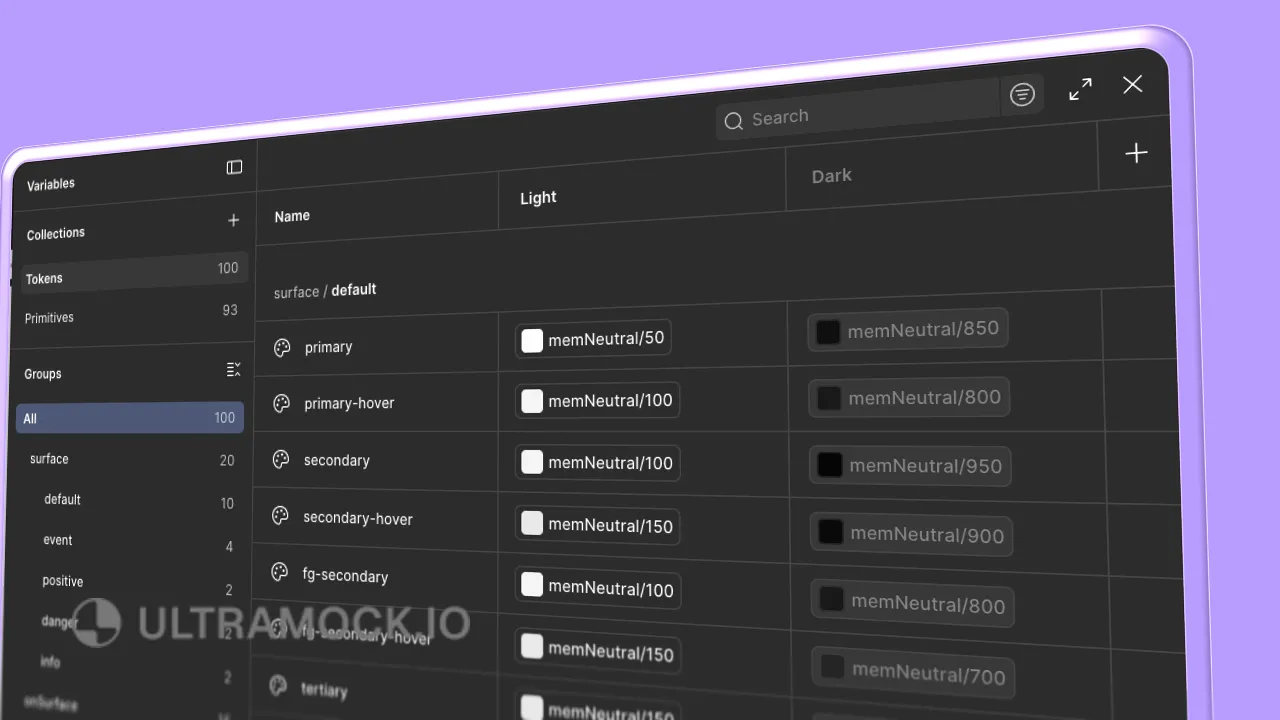
The brand system. I turned the identity into something usable: tokens, components, and the rules for type, color, spacing, and layout that let anyone build on-brand without guessing. This is what made the brand survive contact with a shipping team.
Implementation across every surface. I implemented every pixel of the brand that ships in the world: the website, the product UI, social, documentation, decks, OG images, and every launch surface. That end-to-end implementation, kept consistent across that many surfaces, is the work most rebrands never finish, and the reason the new brand actually exists outside a guidelines file.
Illustration. The brand has signature illustrated moments, the custom illustration and iconography that give it a voice beyond a static logo. These are the pieces people remember.
Consistency at scale. I built a Slack bot that generates on-brand assets on demand: anyone on the team can request an image right in Slack and get one back, on-brand by construction. Consistency across hundreds of pieces stops depending on a designer checking each one, which is how a one-designer brand function keeps up with a company shipping daily.
A brand that lives only in a guidelines PDF fades the moment the team moves fast. This one held, because it became a system and a tool the team actually used.